How to kill it when it comes to cleaning high-tech machines
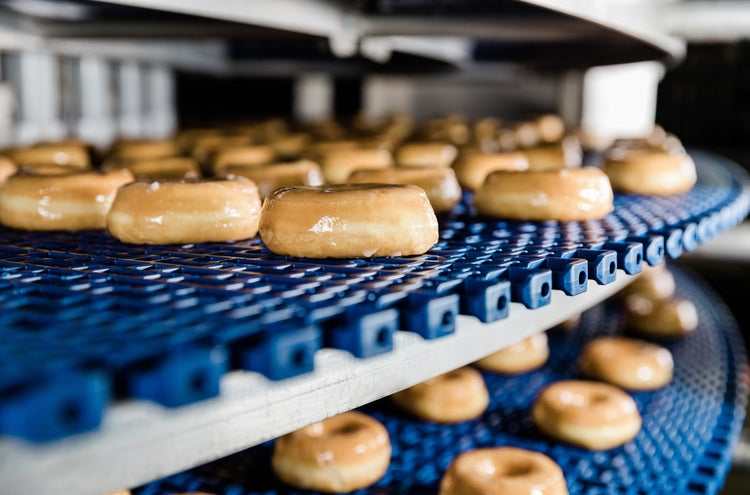
Bakeries are fortunate to have what is called the “kill step” when it comes to food safety and preventing recalls. That’s the point in the process — usually at the oven or frying stage — where baked goods attain a high enough temperature to ensure they’re safe for consumption by effectively destroying microbial and other harmful pathogens.
Sanitation requirements for robotics, automated systems and even smart conveyors will vary significantly depending on whether they’re before or after this part of the process, noted Darin Detwiler, founder and chief executive officer of Detwiler Consulting Group.
He said mixers, dividers, and other pre-‘kill step’ equipment must be sanitized to prevent pathogen growth such as salmonella, listeria or E.coli in raw dough.
“Here, microbial control is critical. Cleaning protocols must address allergens, moisture control and biofilm prevention,” Detwiler said. “Before the kill step, focus on preventing pathogen growth in dough-friendly environments. After the kill step, the emphasis should be on ready-to-eat (RTE) product contamination, allergen cross-contact and foreign material control.”
While a validated kill step will eliminate pathogenic bacteria, it’s still critical to maintain effective and efficient sanitation for equipment in the pre-kill area, advised Wan Mei Leong, food safety specialist, Commercial Food Sanitation, an Intralox company.
“Inadequate cleaning can allow pathogens to establish as resident strains in the facility environment, which can potentially migrate into the RTE areas, particularly in the absence of effective hygienic zoning hurdles or separation controls,” she explained. “For facilities that handle allergens, it is critical to note that allergens are not eliminated by the kill step; therefore, the risk of cross-contamination remains present throughout the entire process. Both pre- and post-kill equipment must be assessed for how they are cleaned and how production is planned and scheduled to avoid unintended allergen exposure.”
While a validated kill step will eliminate pathogenic bacteria, it’s still critical to maintain effective and efficient sanitation for equipment in the pre-kill area. After the kill step, sanitation requirements should be even more stringent and involve validated cleaning procedures targeting both microbial and allergen control."
After the kill step, where the baked goods are now considered ready-to-eat, meaning there is no further lethality step to reduce microbial load, any introduction of pathogens or allergens poses a direct risk to consumer safety. At this stage, Leong said, sanitation requirements should be even more stringent and involve validated cleaning procedures targeting both microbial and allergen control.
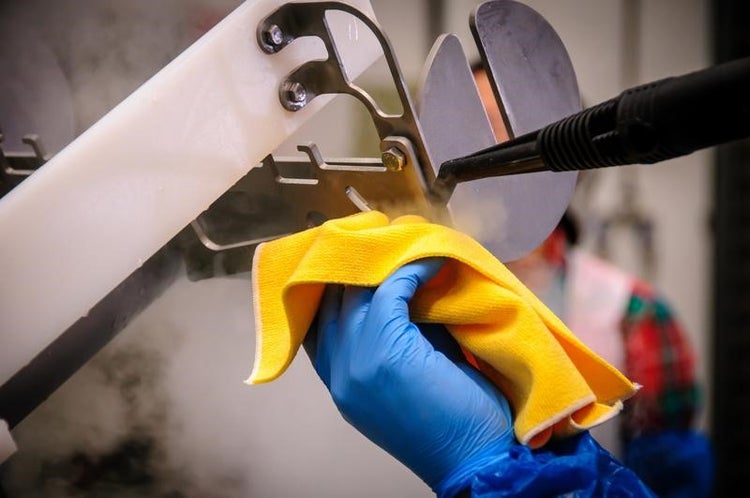
“Equipment in this zone must be designed with hygienic principles in mind to minimize the risk of cross-contamination,” she said. “This includes features such as smooth, cleanable surfaces, minimal harborage points and construction that supports either dry or controlled wet cleaning, depending on the environment. Materials should be nonporous, corrosion-resistant, and compatible with frequent sanitation cycles to ensure durability and effectiveness.”
Hands-on Hygienic Design Training brings hygienic design principles to life.
Detwiler said sanitation of conveyors, slicers, packaging systems, and other post-kill step equipment must focus on preventing recontamination of finished products from environmental pathogens and cross-contact allergens since these surfaces touch RTE food.
“After the kill step, there must be zero tolerance for microbial contamination,” he stressed. “Any lapse could directly impact consumer safety, triggering recalls.”
Jon Anderson, president of JRA Occupational Safety Consulting Services and managing director of the Bakery Equipment Assessment Group (BEAG), has a good rule of thumb for food safety and sanitation in bakeries.
“There are no differences in the concerns for food safety practices and effective hygienic design prior to the kill step,” he said. “We know from experience that we cannot always rely on the kill step to correct any shortcomings that may happen in the process prior to the kill step. We are required to ensure each step in the process maintains the integrity of the raw materials and products.”
He added that any introduction of microorganisms during any point in the process should be deemed as contamination. “Any introduction of foreign materials, pests, microbes or chemicals or allergens not found on the product label, is contamination regardless of a kill step,” Anderson said. “The goal is to ensure product integrity improves or is maintained during each step of the process.”
This article is an excerpt from the August 2025 issue of Baking & Snack. To read the entire feature on Food Safety & Sanitation, click here.